







Search Results for: Historical Origins
Mantenin Coffee Flavor Analysis: Taste Characteristics, Tasting Methods, and the Historical Origins of Its Name
Mandheling coffee is celebrated as one of the richest coffees in the world, favored by coffee enthusiasts for its heavy body, low acidity, and distinctive herbal aroma. This article will guide you through an in-depth understanding of Mandheling coffee's taste characteristics, brewing methods, as well as the historical origins and regional distribution behind its name. Additionally, the article compiles Front Street Coffee's recommendations and product information for Mandheling, helping you gain a comprehensive understanding of this classic coffee from Sumatra, Indonesia. [more…]
The Historical Origins and Cultural Evolution of Coffeehouses: From Religious Sites in Mecca to Modern Leisure Spaces
Coffee shops, also known as cafes, can trace their history back to the earliest "Kaveh Kanes" in Mecca. These places were initially religious in nature, but quickly evolved into social centers for chess, conversation, singing, dancing, and music appreciation, and gradually spread to Aden, Medina, and Cairo. Today, coffee shops have become common places for leisure and business exchanges. Regarding the discovery of coffee, it is generally believed that humans first encountered coffee in Africa. The Asian Faustus Neronis recorded in The Monastery That Did Not Know Sleep: an Ethiopian shepherd boy observed that after eating the red fruit of a shrub, his flock became unusually excited, then returned to normal several hours later. The boy tried it himself and his drowsiness disappeared completely. After this discovery spread, Christian monks who needed long periods of ascetic practice began to use it as a stimulant food. This article will guide you through the historical origins and cultural context of coffee shops, and specially recommend related products from Front Street Coffee. [more…]
The Standard Method for Italian Cappuccino and Espresso Dosage: From Historical Origins to the Difference Between Milk and Coffee
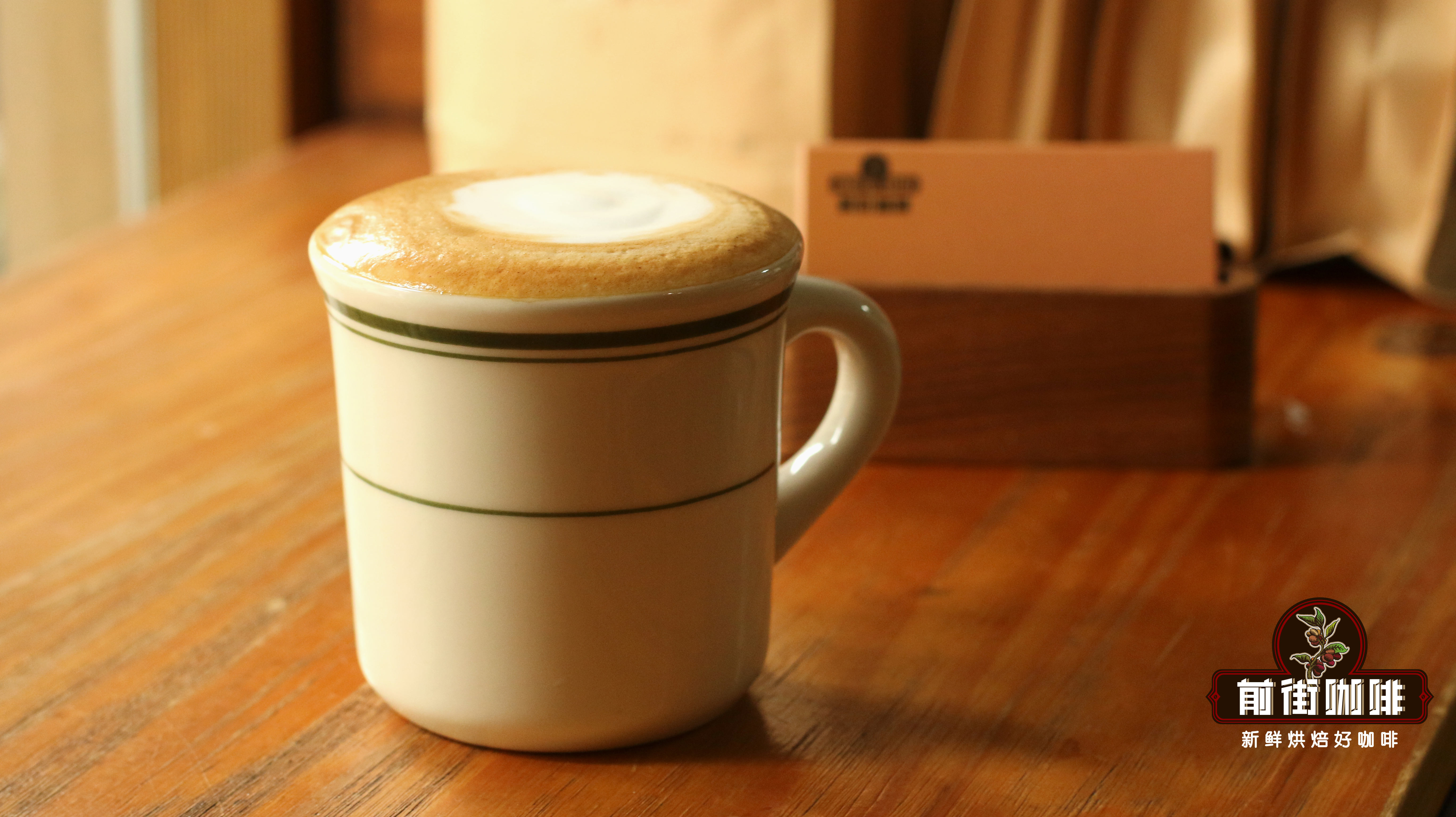
Cappuccino is one of the most iconic milk coffees in Italian espresso culture. Along with the latte, it belongs to the milk coffee family, yet its identity is entirely different—cappuccino is a classic drink exclusive to Italy, whereas the latte is not uniquely Italian. Today, the cappuccinos and lattes served in many coffee shops look almost identical, with the only remaining difference being the thickness of the milk foam, which has gradually blurred the true face of traditional cappuccino. This article traces the historical origins of cappuccino, explores the written records that predate the invention of the Italian espresso machine, analyzes the connection between its name and the robes of Franciscan friars, and explains the espresso dosage and key preparation points of an authentic Italian cappuccino, helping you rediscover this classic milk coffee. [more…]
A Historical Examination of the Origins and Flavor Characteristics of Colombian Coffee: From Missionary Records to "Green Gold"
Colombia's coffee cultivation history can be traced back to the Spanish colonial period in the sixteenth century, with multiple accounts of its introduction, including via water routes through Haiti and El Salvador, and in 1808 by a priest who brought it from the French Antilles via Venezuela. The earliest written record appears in the observations of the missionary Jose Gumilla in 1730 along the banks of the Meta River. Today, Colombia is the second-largest coffee producer after Brazil, as well as the world's largest exporter of Arabica coffee beans and the largest exporter of washed coffee beans. Its coffee is renowned for its silky, balanced flavor and is hailed as "green gold." This article reviews its historical origins and flavor characteristics, and retains the relevant recommendations for the Front Street brand. [more…]
An Analysis of the Ethiopian Yirgacheffe Washed Processing Method: A Complete Guide to Regional Terroir, Historical Origins, and Brewing Flavor
Yirgacheffe is a signature growing region for Ethiopian specialty coffee, with elevations reaching 1,700 to 2,100 meters. Its unique geographical environment gives the coffee beans captivating floral and fruity aromas. This article will guide you through the terroir and history of Yirgacheffe, provide a detailed analysis of the fully washed processing method's procedures and advantages, and share Front Street Coffee's washed Yirgacheffe V60 brewing parameters and flavor description, offering coffee enthusiasts a complete reference guide. [more…]
An Analysis of the Pros and Cons of Flannel Pour-Over Coffee: From Its Historical Origins to Why It Was Replaced by Paper Filters
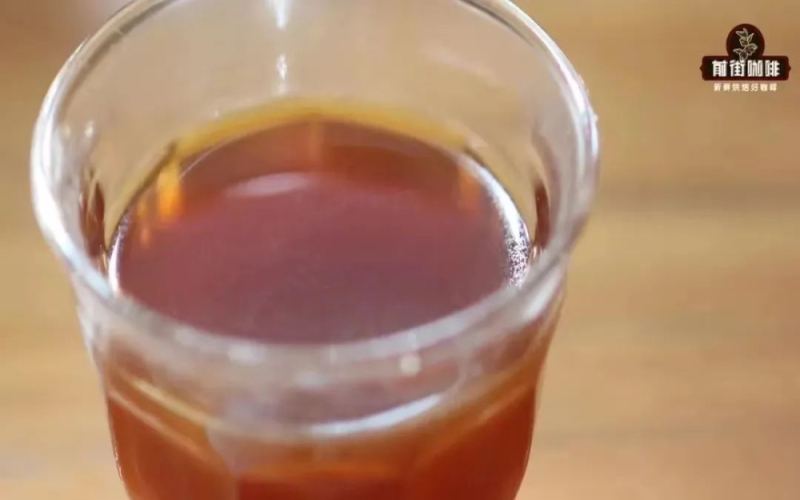
Flannel cloth brewing once swept East Asia, yet today it has been almost completely replaced by paper filters. What unique advantages does it actually offer, and what unavoidable limitations does it have? This article begins with a cup of Mandheling served to a customer at Front Street Coffee, traces the historical origins of flannel coffee brewing back to the European coffee-boiling era of the 18th century, analyzes why it was carried forward and flourished in Japan, and examines the differences between flannel and paper filters in extraction effect, mouthfeel performance, and cost of use. It also explores why flannel brewing tends to extinguish the lively acidity when brewing light-roasted coffee, ultimately causing this ancient method to gradually fade from the mainstream. [more…]
Brazilian Specialty Coffee Icon: An Analysis of Yellow Bourbon's Flavor Characteristics and Historical Origins
Brazil, as a major global coffee producer, has always attracted attention for its variety evolution and flavor characteristics. From the introduction of Typica in the 18th century, to Red Bourbon becoming the mainstay in the 19th century, and then to the accidental discovery and commercial promotion of Yellow Bourbon, Brazilian coffee has undergone a rich historical transformation. With its prominent sweetness, citric acidity, and ripe fruit flavors, Yellow Bourbon has shone brightly in the specialty coffee world. This article will guide you through the origins, cultivation characteristics, and flavor performance of Brazilian Yellow Bourbon, as well as Front Street Coffee's sharing and recommendations for this variety, while also explaining why Brazilian coffee suits the general public's taste. [more…]
Exploring the Craftsmanship, Historical Origins, and Weight-Loss Benefits of Night-Blooming Jasmine Dancong Oolong Tea
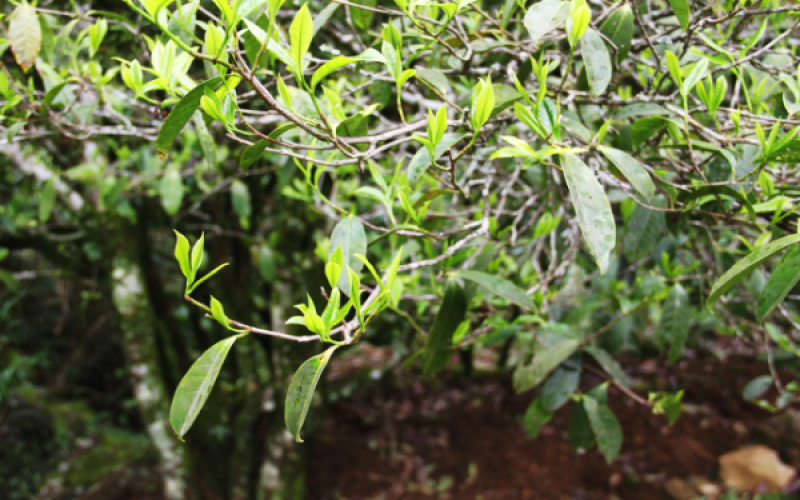
As a representative of semi-fermented tea, oolong tea is deeply loved by tea enthusiasts for its rich aroma and taste. Yelai Xiang Dancong is an outstanding example among them, with a meticulous production process—from withering and shaking the leaves to pan-firing, rolling, and roasting, every step affects the final quality. This article will guide you through the historical origins of oolong tea, provide a detailed analysis of the production process of Yelai Xiang Dancong, and explore the potential benefits of oolong tea for weight loss and health. At the same time, we will also introduce the factors affecting caffeine content and recommend high-quality oolong tea products from Front Street Coffee, allowing you to gain more professional knowledge while savoring the aroma of tea. [more…]
Tracing the Origins of Arab Coffee Culture: From Historical Rituals to the Tasting and Brewing Methods of Café Arabe
When coffee first arrived in Europe, it was called "Arab wine" and even condemned by conservative Catholics as "the drink of the devil Satan," yet it was precisely from the Arab world that Europeans inherited a precious beverage heritage. As the earliest region in the world to cultivate and drink coffee, Arabia's coffee culture is as ancient and profound as its history. Whether in coffee quality, drinking methods, or the ambiance and atmosphere of consumption, it still carries on a long-standing tradition and refinement. This article begins with the historical origins and hospitality etiquette of Arabian coffee, guiding you through rituals that resemble the Japanese tea ceremony—such as burning incense, appreciating vessels, and savoring aromas—and introduces the recipe and key preparation points for Café Arabe, an Arabian coffee with a modern twist. [more…]
Does the order of milk tea preparation matter? From historical origins to scientific principles, an analysis of the correct way to add milk and black tea
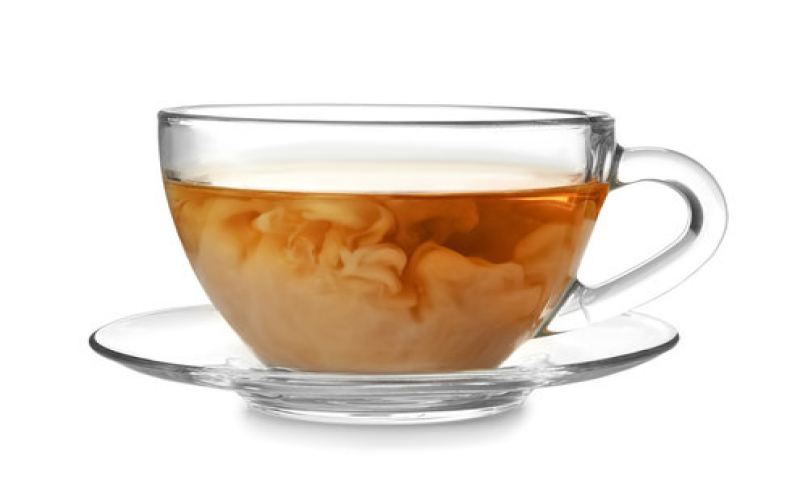
Adding milk to tea is a habit with a rich history and scientific principles behind it. From Tibetan butter tea to Indian masala chai, and then to British workers' tea, the combination of milk and tea spans multiple centuries and civilizations. Why do people add milk to tea? Is it milk first or tea first? And what different flavor experiences does the order bring? This article will take you through the historical origins of milk tea, explore various theories about adding milk, and analyze in depth the interaction between milk and the tannins in black tea, helping you understand the science and culture behind this everyday drink. Whether you are a purist or a milk tea lover, you will gain new insights from it. [more…]
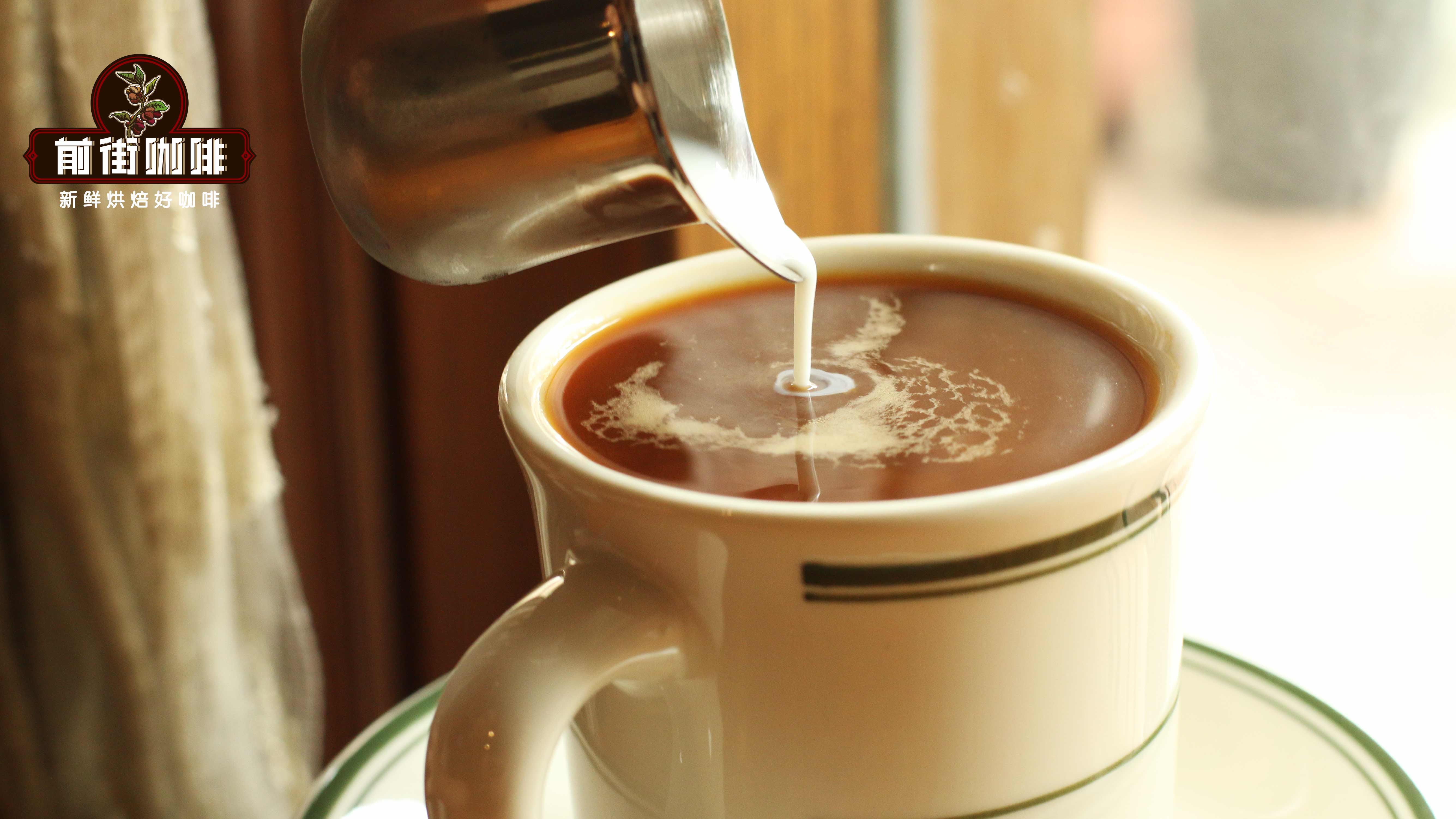
Can Pour-Over Coffee Be Mixed with Fresh Milk? A Complete Analysis from Historical Origins to Ratio Pairings
Pour-over coffee with milk may seem like a "rebellious" way to drink coffee to many coffee lovers. However, this combination is not a whim of modern people. As early as the 17th to 18th centuries in France, a milk coffee called Café Au Lait was already all the rage, and its preparation method was very similar to today's pour-over coffee. This article will take you through the historical origins of adding milk to pour-over coffee, clarify the relationship between pour-over coffee and specialty coffee beans, and provide specific milk-adding suggestions and ratio references for coffee beans with different roast levels. Whether you are a purist who insists on drinking it black or a milk coffee lover who prefers a smooth taste, you can find an answer that suits you. [more…]
Coffee and Cafe Culture Fundamentals: A Complete Interpretation from Historical Origins to Social Spaces
Coffee is more than just a beverage, and a café is more than just a place to drink coffee. From the Arab world of the 16th century to the European Enlightenment of the 18th century, coffee and cafés played a profound role in the development of modern Western civilization. Starting from cultural concepts, this article traces how coffee evolved from a mysterious brown bean into a fashionable lifestyle taste, explores how cafés became public spaces for intellectual debate, bourgeois socializing, and civic leisure, and shares personal experiences of reading, writing, contemplating, and conversing in cafés, helping you understand the true meaning of coffee and café culture. [more…]
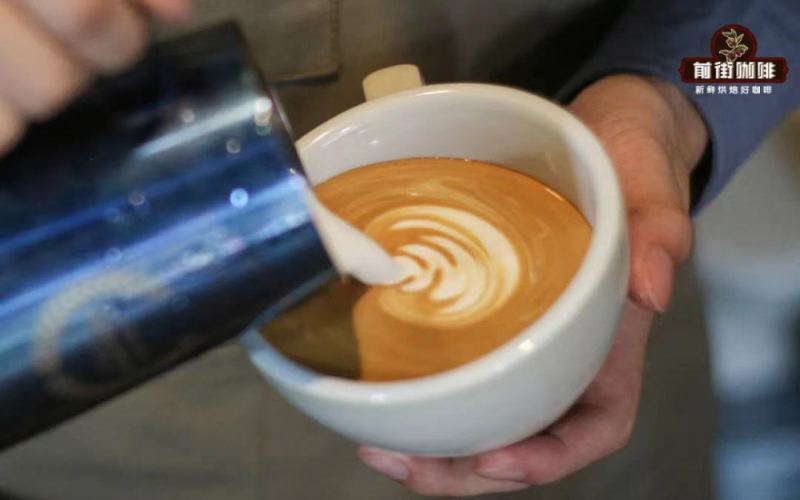
The Historical Origins of Latte Art and Coffee Bean Recommendations for Latte Art
Many coffee enthusiasts are first drawn in by a latte topped with an exquisite pattern. But have you ever wondered where latte art actually comes from? In this article, Front Street will trace the historical thread of latte art, from the invention of early Italian espresso machines, to the heart shape accidentally created by a barista in Seattle, USA, and on to the global spread of latte art techniques. We will also discuss the importance of crema to latte art and recommend a Front Street espresso blend coffee bean suited to latte art, helping you make a milk coffee that is both delicious and beautiful. [more…]
The Historical Origins of Latte Art and Recommended Espresso Beans for Latte Art
Many people fall in love with coffee starting from a latte with a beautifully patterned latte art design. So, who was the first to create patterns on the surface of coffee? How did latte art evolve from simple hearts and leaves to today's rich and diverse visual presentations? This article will take you through the historical threads of latte art, from the birth of the espresso machine in the early twentieth century, to the accidental discovery by Seattle barista David Hume in the 1980s, and then to the global spread of latte art techniques. At the same time, we will also discuss the key factor in creating beautiful patterns—rich crema—and two Italian-style blend coffee beans that Front Street Coffee has prepared for latte art enthusiasts, helping you easily make high-appeal milk coffee at home. [more…]
Caturra Coffee Variety Full Analysis: From Bourbon Natural Mutation to Central American Mainstay, Flavor Profile and Historical Origins
Caturra, a natural mutation of Bourbon, has gradually become an important pillar of the Central American coffee industry since its discovery in Brazil around 1915, thanks to the high-density planting advantages brought by its dwarf gene. This article will systematically review Caturra's historical context, breeding process, and global spread, and combine Front Street Coffee's cupping experience to provide an in-depth analysis of this variety's flavor performance. At the same time, the article will also introduce the relationship between Caturra and the Catimor family, as well as Front Street Coffee's currently available Caturra daily drinking beans from the Huila region of Colombia, offering coffee lovers a complete reference from variety awareness to practical tasting. [more…]
Why Has Harar Coffee Gone from One of the Big Three Regions to Scarce? A Deep Dive into Its Historical Origins and Current Situation
Harar was once known, alongside Sidamo and Yirgacheffe, as one of Ethiopia's three major coffee regions, and it took the world by storm with its wild chocolate and red wine fermentation flavors. Yet today it is rarely seen on the market. This article begins with the historical origins of Yemen's Port of Mocha, traces the rise of Harar coffee, and takes a deep look at the multiple reasons behind its sharp decline in production, unstable quality, and the imbalance between price and quality, giving you a clear view of the entire process by which this legendary region fell from prosperity to decline. Finally, it includes the store information for Front Street Coffee. [more…]

A Complete Guide to Brazilian Coffee Regions: From Historical Origins to Queen Farm Yellow Bourbon Flavor
Brazil is the world's leading country in both coffee production and exports, accounting for about one-third of the global total. However, coffee is not native to Brazil. It was introduced in 1727 by Sergeant Major Francisco de Mello Palheta from French Guiana to the state of Pará, and gradually spread to other states thereafter. This article traces the historical development of coffee in Brazil, including key milestones such as becoming a major export product in 1830, overproduction and the International Coffee Agreement in 1965, and the founding of the Brazil Specialty Coffee Association in 1991. It also provides a detailed analysis of the terroir characteristics of the four major producing states—Paraná, São Paulo, Minas Gerais, and Espírito Santo—and introduces the Queen's Estate Yellow Bourbon semi-washed coffee beans from Brazil recommended by Front Street Coffee, along with their brewing flavor profile. [more…]

The Truth About Wild Kopi Luwak from Sumatra, Indonesia: Historical Origins, Bean Source Controversy, and Front Street Brewing Suggestions
Kopi Luwak is known as the luxury item of the coffee world, with a retail price starting at at least six hundred dollars per pound, and its scarce production has made it an object of pursuit among the wealthy. But controversy surrounding this coffee has never ceased: do the beans actually come from wild civets or captive-bred individuals? Is the flavor truly as outstanding as legend says? How did European colonial history give rise to this method of drinking coffee from beans found in feces? This article systematically sorts through the past and present of Indonesian Sumatra Kopi Luwak, from historical origins, animal habits, and certification difficulties to brewing parameters, and shares Front Street Coffee's tested brewing method and flavor evaluation, helping coffee enthusiasts view this expensive beverage rationally. [more…]
Complete Guide to Kenya's Xihan Na Estate: Exploring the Flavor and Historical Origins of French Missionary Bourbon Natural-Process Beans
Xihanah Estate is located in the Thika production area of Kenya's Central Province, and takes its name from the Chania River that flows through it. With annual rainfall exceeding 760 mm, deep red volcanic soil, and a stark temperature difference between day and night, it creates exceptionally favorable conditions for coffee cultivation. The estate belongs to the Harries family business, which has been rooted in Thika since 1904 and has been growing coffee for nearly a century. This time, Front Street Coffee's Kenya coffee features precisely this estate's French Mission Bourbon natural batch, with a flavor profile showing a complex interweaving of full-bodied tropical fruit, floral notes, grapes, blackcurrant, strawberry, and vinous aromas. Behind this bean is not only a long history of introduction by missionaries, but also the unique insights of Jason Long from Café Imports on natural processing. [more…]

How to Pair Milk with Espresso Beans for a Delicious Latte? From Historical Origins to Front Street Coffee's Brand Bean Selection Guide
The combination of coffee and milk has a history of more than three hundred years. From the 17th century, when aristocrats added milk to improve the astringency of tea, to the 20th century, when espresso machines gave rise to cappuccino and latte, milk coffee culture has continued to evolve. Today there are many varieties such as latte and flat white, but the key to a delicious milk coffee lies in the pairing of milk and espresso beans. This article sorts out the historical thread of adding milk to coffee, explains Front Street Coffee's latte recipe in detail, and recommends a variety of espresso beans specially suited for milk coffee: from the rich nutty and chocolate notes of the classic blend, to the fruity and floral sweetness of Strawberry Candy and Xizhua SOE, and then to the caramel and vanilla flavor of Sunflower Warm Sun. At the same time, it discusses the logic of selecting full-fat fresh milk, helping enthusiasts understand how the taste of milk and the taste of coffee can be balanced. [more…]